
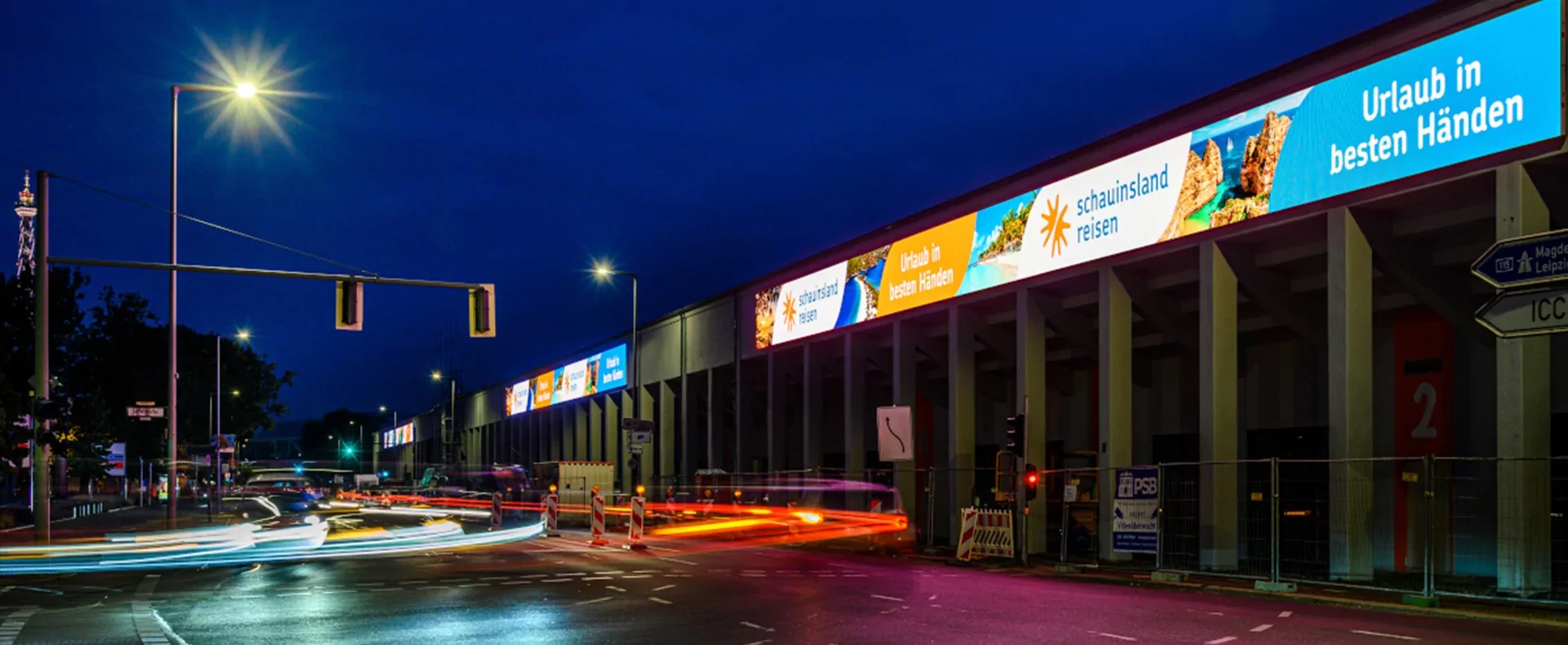
Advertising performance depends on more than the creative itself. Screen brightness, motion quality, content duration, and scheduling all shape whether viewers notice and remember a message. For advertisers planning a commercial LED display, the technical configuration should therefore be considered alongside audience behavior, viewing distance, and campaign objectives. Ledman supplies indoor and outdoor high-definition LED display solutions based on SMD technology, with control systems and steel structures designed for different commercial environments.
Match Brightness With The Viewing Environment
Brightness needs to correspond with ambient conditions rather than simply reaching the highest available figure. Outdoor advertising exposed to direct sunlight requires substantially different visual characteristics from displays positioned inside shopping centers, transit facilities, or retail spaces.
Too little brightness can make text and images difficult to distinguish, particularly during daylight. Excessive brightness indoors, however, may cause visual discomfort and make carefully designed colors appear different from their intended presentation. Environmental testing should therefore be part of the specification process.
Screen orientation matters as well. A display facing a busy road, for example, may receive changing levels of sunlight throughout the day. Content teams should consider these conditions when selecting an advertising LED display screen, especially for campaigns expected to run across multiple seasons.
Design Content Around Real Viewing Time
Message length has a direct relationship with viewing opportunity. Pedestrians may see an advertisement for only a few seconds, while passengers waiting at a transit station can have considerably more time to absorb information. Creative teams should identify the typical exposure window before deciding how much information to place on screen.
Strong visual hierarchy helps audiences understand the message quickly. Brand identifiers, product visuals, short headlines, and calls to action should occupy clearly defined roles rather than competing for attention. Small text and dense paragraphs can lose effectiveness when viewers are moving.
Motion deserves equal consideration. Animation can attract attention, but excessive transitions may make a campaign difficult to follow. Clear scene changes, readable typography, and sufficient display time for key information generally provide a more practical foundation for digital advertising content.
Refresh Rate And Image Quality
Display specifications become particularly relevant when advertising content contains fast motion, camera footage, or detailed graphics. Refresh behavior can influence how moving elements appear to the eye and how screens are captured by cameras used for social media, news coverage, or event documentation.
Color reproduction also affects campaign consistency. Advertisers working across multiple locations should consider whether screens can reproduce brand colors with sufficient consistency. Content should be tested on the actual display configuration whenever possible rather than relying entirely on a desktop monitor during production.
Ledman’s SMD-based commercial display range covers indoor and outdoor applications, including advertising and transportation scenarios. Its systems combine high-definition LED panels with control equipment and steel structures, allowing the display configuration to be adapted to different installation requirements.
Scheduling Can Shape Audience Exposure
Even visually strong content can receive limited attention if its playback schedule does not match audience traffic. Campaign planners should study footfall patterns, commuting periods, shopping peaks, event schedules, and other predictable changes in audience volume.
Time-based scheduling allows different messages to appear according to location or audience context. Morning commuters may encounter one campaign sequence, while evening shoppers see another. Such segmentation can make the available screen time more relevant without requiring additional physical displays.
Frequency should also be considered carefully. Repeating the same message too infrequently may reduce recognition, whereas excessive repetition can make the content feel stale. Campaign calendars should balance reach, repetition, creative rotation, and promotional timing.
Measure Impact Beyond Screen Visibility
Visibility is only the starting point for evaluating digital advertising. Campaign teams can examine changes in website traffic, QR-code interactions, store visits, search activity, promotional redemptions, or other measurable actions that correspond with the campaign period.
Location-specific data can reveal differences between screens. One display may benefit from heavy pedestrian traffic, while another reaches fewer people but provides longer viewing opportunities. Such differences make raw impression counts insufficient on their own.
Creative performance can also be reviewed over time. If several versions run on the same commercial LED display, changes in engagement may provide useful evidence about message length, imagery, timing, or calls to action. Content decisions can then be adjusted using observed campaign behavior rather than assumptions.
Build A More Effective Advertising Workflow
Successful digital signage requires coordination between hardware, creative production, scheduling, and measurement. Technical teams need appropriate specifications, while marketing teams must understand the limitations created by viewing distance, exposure time, and environmental conditions.
Before launch, advertisers can test brightness, typography, motion, color reproduction, and playback timing on the intended screen. Such testing is particularly useful when the campaign contains fine text or fast-moving visuals.
A well-planned advertising LED display screen functions as more than a digital billboard; its value depends on how effectively technology and content work together. Ledman offers commercial SMD display solutions for indoor and outdoor advertising environments, giving campaign planners a technical platform that can be considered alongside location, creative strategy, and operational requirements.
