
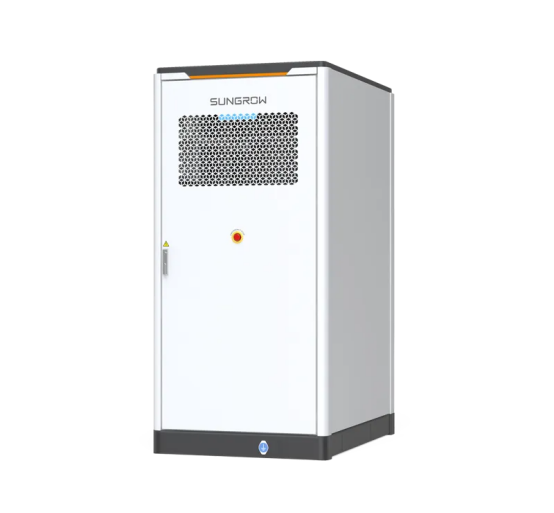
The rapid deployment of distributed energy storage has increased the importance of proper installation planning for an outdoor power cabinet. Site selection is no longer limited to space availability; it now involves thermal safety, operational efficiency, and long-term system reliability. In modern commercial and industrial applications, solutions such as the PowerStack 255CS are designed for high efficiency and safety, but their performance still depends heavily on correct clearance and zoning design during installation.
Spatial Clearance Requirements for Outdoor Power Cabinets
Proper spacing around an outdoor power cabinet is essential to ensure safe heat dissipation, maintenance access, and emergency response efficiency. Insufficient clearance can lead to restricted airflow and increased thermal stress, affecting long-term system stability.
For systems like the PowerStack 255CS, which use liquid-cooled architecture for optimized thermal control, maintaining recommended clearance zones helps preserve high round-trip efficiency and reduces auxiliary energy consumption. In outdoor power cabinet installations, front and rear access zones should also be clearly defined to support routine inspections and service operations.
Safety Zoning and Environmental Risk Management
Safety zoning is a critical factor in preventing cascading system risks. An outdoor power cabinet must be positioned with adequate distance from flammable materials, high-traffic areas, and sensitive infrastructure.
The PowerStack 255CS incorporates multi-layer safety architecture, including AI-driven cell management and multistage overcurrent protection. However, proper site zoning enhances these built-in protections by reducing external environmental exposure. For large-scale deployments of outdoor power cabinet systems, fire safety buffers and emergency access corridors are essential components of compliant design.
Thermal Management and Operational Efficiency Considerations
Thermal performance is directly influenced by installation environment. Restricted airflow or improper positioning can reduce system efficiency and increase energy losses.
The PowerStack 255CS utilizes intelligent liquid cooling and AI-driven thermal balancing to maintain optimal operating conditions, even under heavy load. When deployed as an outdoor power cabinet, ensuring adequate ventilation space further enhances its ability to maintain stable temperatures and maximize energy revenue performance.
Building Safer and More Efficient Energy Storage Sites
Proper site selection is a foundational step in ensuring long-term performance and safety of energy storage assets. Clear planning of clearance zones and safety buffers helps maximize operational reliability and system lifespan.
Sungrow’s PowerStack 255CS demonstrates how advanced engineering combined with proper outdoor power cabinet installation practices can deliver high efficiency, strong safety performance, and optimized lifecycle value for modern C&I energy storage applications.
