
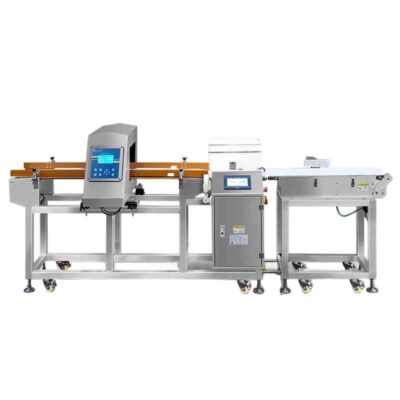
Purchasing managers face complex technical decisions when choosing a food metal detector to meet strict retailer safety mandates and consumer expectations. Selecting inappropriate screening hardware risks frequent false rejections, costly factory downtime, or unintercepted metal contamination reaching retail distribution channels.
Plant engineers must systematically evaluate multiple operational variables, including product matrices, physical dimensions, and sanitary constraints, before finalizing capital equipment investments. Strategic procurement decisions safeguard brand equity while ensuring seamless integration into high-speed processing floors without sacrificing daily line throughput.
Establishing a comprehensive evaluation checklist prevents costly performance mismatches and ensures long-term operational reliability across multiple manufacturing shifts. Furthermore, analyzing initial capital expenditure against lifecycle maintenance costs guarantees optimal financial return on investment. Detailed plant assessments prevent costly oversights during site preparation and installation.
Product Matrix Analysis and Multi-Frequency Adaptation
The procurement journey begins by examining the electrical and physical properties of the target food items moving down the line. Moist, salty, or high-acid products create strong background electromagnetic signals known as product effect, which can mask genuine metallic debris.
Buyers must prioritize inspection units featuring advanced multi-frequency processing capabilities to cancel out this background interference dynamically during active runs. Sophisticated signal processing allows the internal sensor to differentiate harmless product variations from authentic ferrous, non-ferrous, and stainless steel contaminants.
Systems that are designed and developed by Foodman make use of dynamic phase angle modifications in order to maintain detection performance throughout varying batch compositions without requiring the interaction of the operator.
Understanding these raw material matrix properties first establishes the necessary baseline sensitivity threshold for the entire facility. Evaluating temperature variations, packaging materials, and line speeds further refines the selection process.
Aperture Sizing, Belt Speed, and Combination System Trade-Offs
Beyond product conductivity, the physical dimensions of the item dictate the required aperture geometry for the system. Smaller aperture openings concentrate magnetic flux more densely, allowing the unit to detect significantly smaller spherical metal diameters with high precision.
Engineers must measure maximum package width and height carefully to prevent mechanical jams while maximizing overall inspection sensitivity. Conveyor velocity and rejection timing mechanisms must align perfectly with these physical dimensions to avoid missed target ejection zones.
When evaluating combination systems that merge checkweighing and metal detection onto a single frame, buyers must analyze potential magnetic interference. Modular designs from Foodman isolate weighing modules carefully to preserve electromagnetic sensitivity while saving valuable linear floor space.
Selecting a reliable food metal detector configuration requires balancing physical footprint constraints against uncompromised inspection accuracy. Careful mechanical tuning ensures stable conveyance during peak operating hours and prevents operational bottlenecks across active lines.
Daily Validation Protocols and Automated Testing Compliance
Long-term operational reliability depends heavily on establishing rigorous daily verification routines and compliance testing protocols across active shifts. Quality assurance teams must introduce certified test wands containing ferrous, non-ferrous, and stainless steel spheres through the aperture regularly.
Automated diagnostic routines verify that detection thresholds remain within acceptable performance limits before commercial production batches begin moving downstream. Selecting equipment with integrated test-logging software simplifies compliance tracking during external retail safety audits and regulatory reviews.
If hardware calibration drifts unexpectedly, automated safety interlocks must immediately halt downstream processing to prevent unverified products from passing. Prioritizing robust validation features ensures ongoing adherence to global food safety standards without interrupting active plant workflows. Routine verification logs provide undeniable proof of due diligence during quality inspections and customer audits.
Evaluating Supplier Technical Support and Lifecycle Services
Hardware performance alone cannot guarantee long-term operational success without robust technical support from the original equipment manufacturer. Procurement teams must evaluate response times, spare parts availability, and remote diagnostic capabilities before signing purchasing contracts.
Experienced suppliers provide expert application testing to determine ideal operating frequencies for unique, challenging product recipes. Equipment backed by comprehensive service agreements minimizes unexpected downtime and extends the operational lifecycle of critical factory assets.
Manufacturers like Foodman Vision offer dedicated engineering guidance and operator training to optimize line performance from initial commissioning onward. As an original‑equipment manufacturer, Foodman Vision supports both standard inspection units and custom OEM / ODM solutions to adapt equipment to unique line layouts and special inspection requirements. Prospective buyers can also submit real product samples for professional product testing before final purchasing decisions. Partnering with a responsive supplier ensures rapid troubleshooting and continuous compliance throughout the multi-year operating window. Preventive maintenance programs further secure equipment longevity and sustained factory productivity over time.
A Practical Decision Framework for System Procurement
Integrating these diverse evaluation dimensions requires a structured, step-by-step decision framework to guide the procurement team effectively. First, analyze product conductivity and moisture levels to determine the necessary multi-frequency signal processing power. Second, select the smallest possible aperture dimensions that accommodate product packaging without risking physical jamming.
Third, evaluate whether a standalone setup or an integrated combination unit best matches available factory floor space. Fourth, verify that automated validation routines and digital audit logging meet internal quality assurance standards.
Finally, confirm supplier service commitments and spare parts availability to safeguard long-term plant productivity. Selecting the ideal food metal detector requires this holistic approach to balance technical performance, physical constraints, and regulatory compliance. Proper planning secures enduring operational success across all active manufacturing facilities.
