
Digital manufacturing has become an important part of modern dentistry, especially in restorative applications where accuracy, efficiency, and material performance directly influence treatment outcomes. Resin 3D printing technology allows dental professionals and laboratories to create detailed models, temporary restorations, surgical guides, and other dental applications with improved workflow flexibility.
When selecting a dental resin 3D printer, professionals need to evaluate more than printing speed or resolution. Factors such as material compatibility, accuracy, workflow integration, and long-term reliability all affect whether a printer can meet clinical and laboratory requirements.
SHINING 3D Dental provides digital dental solutions that connect scanning, design, and manufacturing processes. Its NanoForce and related digital manufacturing technologies, including the Ceramix-Nano solution, are designed to support advanced dental applications and help professionals explore efficient resin-based production workflows.
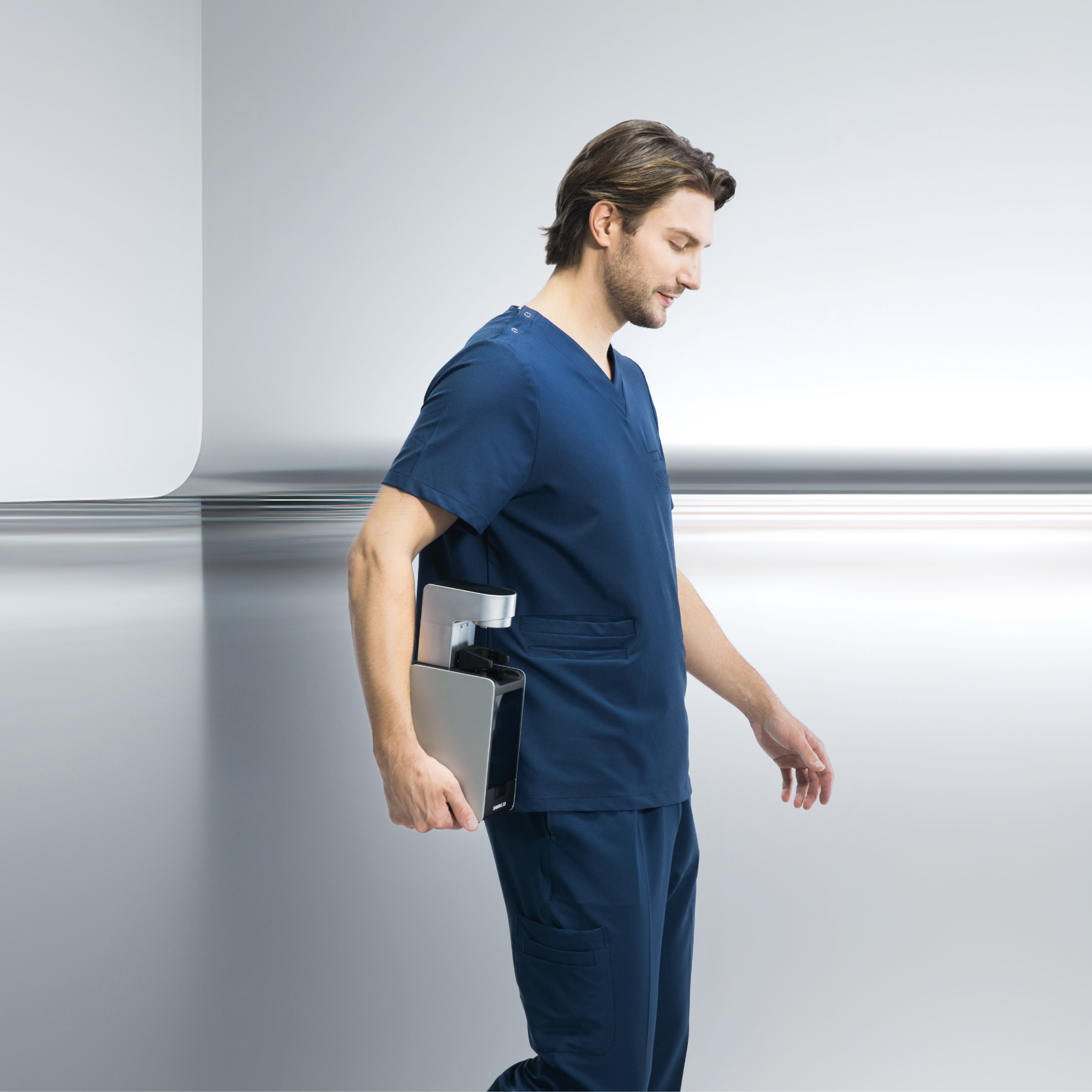
Understanding the Role of a Dental Resin 3D Printer
A resin 3D printer for dental applications uses photopolymerization technology to build dental objects layer by layer from liquid resin materials. Unlike traditional manufacturing methods that rely on cutting or molding, resin printing creates customized parts directly from digital designs.
In dental laboratories and clinics, resin printers are commonly used for applications such as:
- Dental models for diagnosis and treatment planning
- Temporary crowns and bridges
- Surgical guides
- Orthodontic models and appliances
- Customized dental components
The ability to produce complex shapes and patient-specific designs makes resin printing a valuable technology in digital dentistry.
A resin 3D printer dental workflow depends heavily on the compatibility between the printer and dental materials. Different applications require different resin characteristics, including strength, accuracy, biocompatibility, surface quality, and curing performance. For example, a model resin may prioritize dimensional accuracy and surface detail, while a restoration resin may require higher mechanical performance and resistance to daily use conditions.
Therefore, when evaluating a printer, dental professionals should consider whether the system supports materials suitable for their intended applications.
Key Factors for Evaluating a Resin 3D Printer for Dental Restorations
- Printing Accuracy and Resolution
Accuracy is one of the most important factors when selecting a dental resin 3D printer. Dental restorations require precise dimensions because even small deviations can affect fitting, occlusion, and treatment results.
A high-quality resin printer should provide consistent layer printing and reliable reproduction of fine details. This is especially important when producing dental models, restoration prototypes, or components that require close adaptation.
However, resolution alone does not determine overall accuracy. The entire workflow, including digital design, material performance, printing parameters, and post-processing, also influences final results.
- Material Compatibility and Application Range
A suitable resin 3D printer for dental should support a wide range of dental materials. Different clinical and laboratory applications may require different resin properties.
When comparing printers, consider:
- Supported resin types
- Compatibility with certified dental materials
- Mechanical properties of printed parts
- Curing requirements
- Application-specific performance
A flexible material ecosystem allows dental professionals to handle more types of cases without changing equipment.
SHINING 3D Dental’s Ceramix-Nano solution focuses on advanced dental materials and digital manufacturing workflows. By combining ceramic-related material development with digital production technology, the solution aims to support dental professionals seeking improved aesthetics and functional performance in restorative applications.
- Workflow Integration
Modern dental production involves multiple digital steps, including scanning, CAD design, printing, and post-processing. A resin 3D printer dental solution should integrate smoothly into this digital workflow.
Compatibility with common dental software and open digital formats allows laboratories to transfer designs more efficiently between different systems.
A well-connected workflow can reduce manual adjustments, improve communication between dentists and technicians, and help shorten production cycles.
For example, digital impressions from an intraoral scanner can be transformed into CAD designs and then manufactured using resin printing technology. This creates a continuous digital process from patient data collection to final production.
- Printing Speed and Production Efficiency
Production efficiency is another important consideration when evaluating a resin printer. Dental laboratories often need to handle multiple cases with different requirements, making productivity an important factor.
A capable printer should balance speed with accuracy. Extremely fast printing is less valuable if it reduces surface quality or requires additional corrections.
When reviewing a printer’s performance, professionals should consider:
- Number of dental units produced per workflow
- Printing consistency
- Maintenance requirements
- Ease of operation
A reliable system can help laboratories improve daily productivity while maintaining consistent output quality.
- Surface Quality and Post-Processing Requirements
Dental restorations often require smooth surfaces and detailed structures. A resin printer should produce parts that minimize additional finishing work.
Post-processing steps such as washing and curing are also important parts of resin printing. Efficient post-processing can influence the total production time and final quality of printed dental components.
When evaluating a dental resin 3D printer, professionals should consider whether the complete workflow, including post-processing equipment and software support, matches their production needs.
SHINING 3D Dental’s Approach to Digital Restoration Workflows
SHINING 3D Dental develops solutions that support the transition toward digital dentistry. Through technologies covering scanning, design, and manufacturing, the company helps dental professionals build connected digital workflows.
The Ceramix-Nano solution focuses on the combination of advanced materials and digital manufacturing capabilities. It is designed for dental professionals who are exploring more efficient approaches for producing aesthetic and functional dental restorations.
By integrating material technology with digital production processes, SHINING 3D Dental aims to provide solutions that support modern dental laboratories and clinics in improving workflow efficiency and expanding application possibilities.
How to Select the Right Resin 3D Printer for Dental Applications?
Before purchasing a resin 3D printer for dental, professionals should evaluate their specific production goals. A small dental clinic may prioritize ease of use and workflow simplicity, while a large laboratory may focus on production capacity, material flexibility, and long-term reliability.
Important questions to consider include:
- What types of dental applications will be printed?
- Which materials are required for daily production?
- How easily can the printer integrate with existing digital systems?
- Does the solution provide consistent results over long-term use?
Choosing equipment based on actual workflow requirements helps ensure better value and more effective digital dentistry implementation.
Conclusion
Selecting a dental resin 3D printer requires careful evaluation of accuracy, material compatibility, workflow integration, efficiency, and application requirements. A suitable resin 3D printer for dental use should not only produce detailed parts but also support the complete digital manufacturing process.
As dental technology continues to evolve, resin printing is becoming an increasingly important tool for modern restorative workflows. Solutions such as SHINING 3D DENTAL‘s Ceramix-Nano demonstrate how advanced materials and digital manufacturing technologies can work together to support more efficient and innovative dental production.
