
Modern metal processing requires stable cutting performance and consistent part quality. For factories and equipment distributors, spindle speed is one of the most important factors in machining operations. Many buyers who compare CNC machining center manufacturers often evaluate spindle performance because it directly affects machining efficiency, cutting stability, and surface finish. In practical production environments, spindle speed must match material type, cutting tools, and machining requirements to avoid unnecessary tool wear or unstable cutting conditions. Leichman, a subsidiary brand of HOSTON, provides machining solutions that support different production needs in metalworking applications.
Spindle Rotation and Material Removal
The spindle controls how fast the cutting tool rotates during machining. Higher spindle speed can increase material removal rates when operators process aluminum, mild steel, or other common materials. However, excessive speed may generate vibration or heat if the cutting setup is not adjusted correctly. Many factories working with cnc machining center supplier companies focus on balancing cutting speed and feed rate to improve production consistency.
In machining centers, spindle speed also influences cycle time. Faster rotation can shorten processing time for certain components, especially in batch production. Equipment suppliers such as Leichman usually recommend selecting spindle parameters according to workpiece hardness and tool specifications rather than using fixed settings for every application.
Surface Finish and Machining Stability
Surface finish quality depends heavily on cutting stability. When spindle speed matches tooling and material conditions, the machined surface becomes smoother and requires less secondary processing. This is particularly important for industries producing precision mechanical parts or hydraulic components. Buyers searching for reliable CNC machining center manufacturers often pay attention to spindle rigidity and machine structure because these factors affect vibration control during high-speed machining.
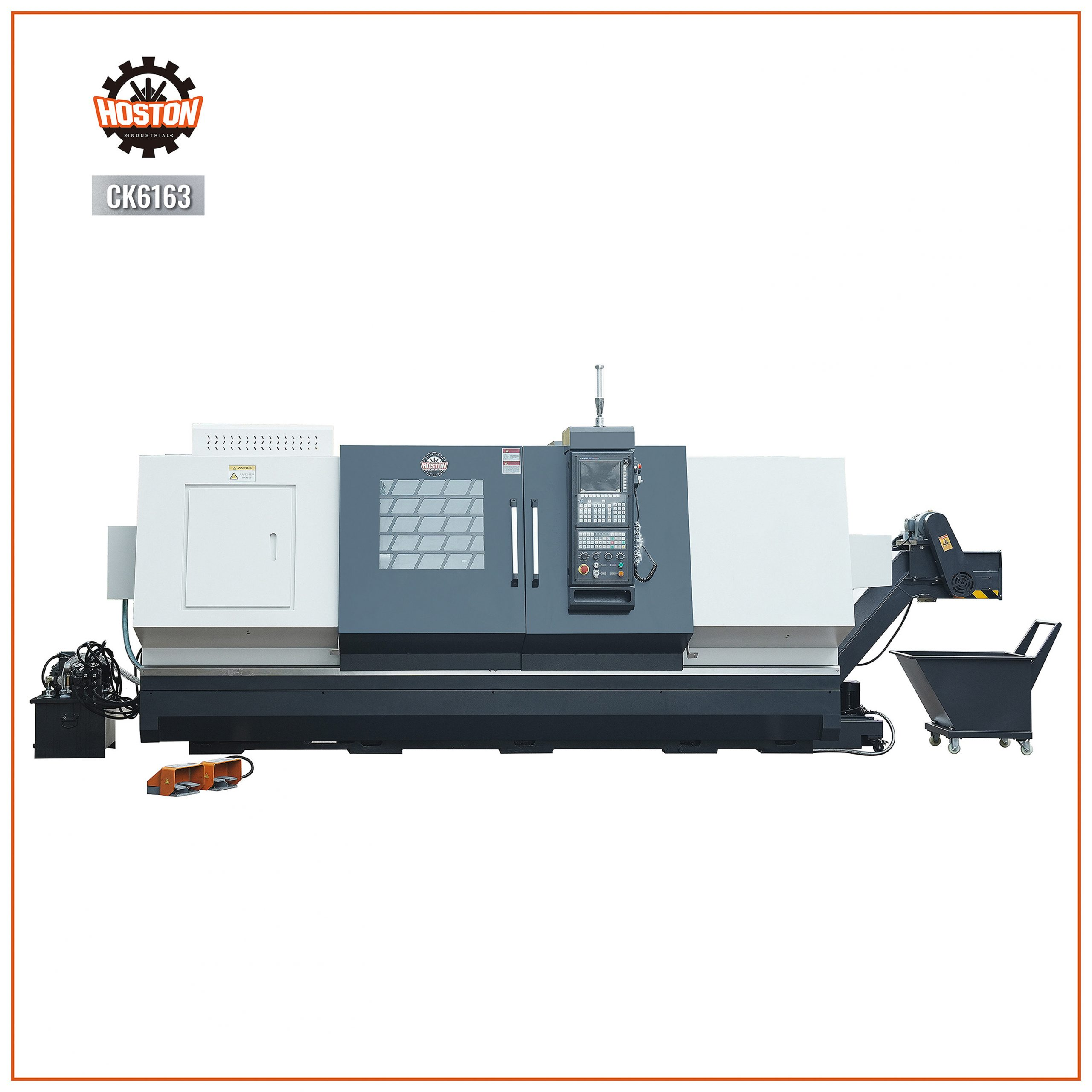
The CK6163 horizontal CNC lathe from Leichman is designed for precision turning operations in metal processing workshops. The machine structure supports stable cutting performance during continuous operation, which helps maintain dimensional consistency and surface quality. This type of equipment is commonly used in factories handling shafts, sleeves, and general mechanical components.
Equipment Selection and Production Planning
Production managers usually consider spindle configuration together with machine rigidity, tooling systems, and maintenance support. Working with an experienced cnc machining center supplier can help reduce equipment downtime and simplify cross-border purchasing communication. Technical consultation and responsive after-sales support are also important for distributors and factories operating long production schedules.
Different machining tasks require different spindle ranges. Lower speed may suit heavy cutting, while higher speed is often used for finishing operations. For this reason, many industrial buyers compare machine specifications carefully before purchasing equipment for long-term production projects.
Conclusion
Spindle speed affects both machining efficiency and surface finish in daily production environments. Correct spindle settings can improve cycle time, reduce tool wear, and support better machining accuracy. When factories evaluate CNC machining center manufacturers or communicate with a cnc machining center supplier, they usually focus on spindle stability, machine structure, and technical support. Through practical equipment solutions and flexible service support, Leichman continues to provide machining equipment suitable for different metal processing applications.
