
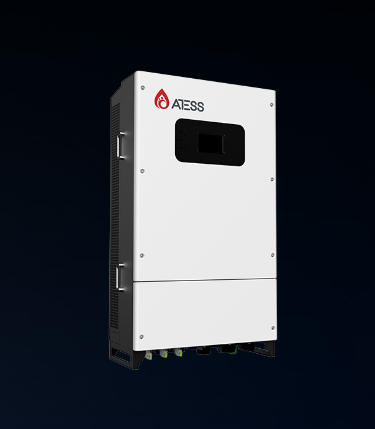
Purchasing power electronics requires an evaluation of various financial components that influence final project expenses. Those interested in Atess solutions often examine how hardware specifications and market dynamics impact the overall investment required for reliable energy management.
Technology and Hardware Integration
A hybrid inverter functions as the central hub for managing electricity flow between panels, storage units, and the grid. Because these devices incorporate complex power electronics, their design complexity remains a primary cost driver. Atess engineers design these systems to handle bidirectional energy conversion, which requires robust internal components capable of sustained high-performance operation.
Integration efficiency represents another significant factor when reviewing a Solar Inverter with Battery setup. The capacity to manage multiple energy sources simultaneously demands sophisticated firmware and hardware coordination. For professional installers, recognizing that the price reflects the complexity of the integrated management systems is essential. This technical sophistication ensures that energy storage functions operate effectively during grid fluctuations or peak demand periods.
System Scalability and Deployment
Cost structures also shift depending on the required output capacity and storage compatibility. When deploying a hybrid inverter, the scale of the installation determines the hardware requirements needed to maintain system stability. Larger installations typically demand more advanced thermal management systems and protective enclosures, which are included in the total equipment costs.
Regarding the Solar Inverter with Battery units, the choice of storage capacity plays a major role in budget forecasting. Atess provides equipment designed for modular expansion, allowing users to align their hardware investment with specific site energy needs. By focusing on equipment that supports diverse storage configurations, operators can better manage the total cost of ownership.
Long-Term Value Considerations
An effective energy strategy requires looking beyond initial hardware costs to consider operational durability. Selecting systems that provide comprehensive monitoring capabilities can assist in managing maintenance expectations. When users invest in a hybrid inverter or a Solar Inverter with Battery, they are securing core infrastructure. Consistent energy management through quality components remains a standard approach for projects intended to provide stable returns over their operational lifespan.
