
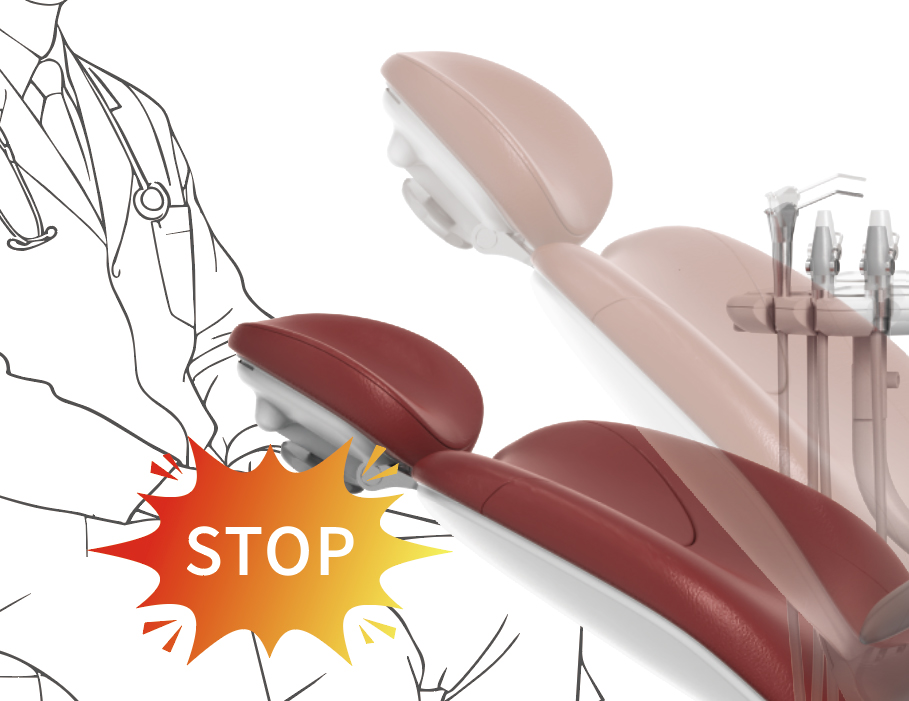
The landscape of clinical dentistry is undergoing a rapid technological transformation. Driven by advancements in robotics, artificial intelligence (AI), and advanced ergonomics, the modern operatory is moving toward complete digital integration. At the core of this evolution sits the fully electric dental chair, an essential clinical hub that is transitioning from a passive positioning tool into an intelligent, data-driven treatment ecosystem.
As healthcare facilities continuously seek ways to boost efficiency, enhance infection control, and prioritize patient comfort, next-generation operatory hardware is redefining standard practice workflows. Exploring the future trajectory of motorized treatment centers reveals how emerging innovations will reshape daily clinical care.
Artificial Intelligence and Automated Patient Positioning
One of the most compelling frontiers in operatory design is the integration of artificial intelligence and machine learning into motorized chair dynamics. Future treatment platforms will move beyond static preset memory positions to offer real-time adaptive adjustments tailored to individual patient biometrics.
By using embedded pressure sensors and camera-assisted optical recognition, a modern fully electric dental chair will soon be capable of analyzing a patient’s height, weight, and spine alignment the moment they sit down. The chair will automatically adjust headrests, lumbar supports, and seat angles to optimize anatomical alignment without manual intervention.
For clinicians, AI-driven automation translates to significant time savings and reduced physical strain. The chair will continuously make micro-adjustments during extended procedures to prevent patient restlessness, maintaining a stable operating field while allowing practitioners to focus entirely on precision clinical tasks.
Advanced Ergonomic Integration and Biometric Feedback
Workplace ergonomics remains a critical concern for dental professionals who face high rates of occupational musculoskeletal disorders. Next-generation equipment will focus heavily on dynamic posture support for both the patient and the operating team.
Future systems will feature intelligent biofeedback loops embedded directly into the chair upholstery and clinician stools. These sensors will monitor the doctor’s seating posture and warn against improper neck or back angles. Simultaneously, the system can subtly adjust chair height and tilt in real time to bring the patient’s oral cavity into the doctor’s natural line of sight.
Innovative manufacturers like Roson are already laying the foundation for these ergonomic breakthroughs. By refining drive linkages, zero-gravity weight distribution, and thin-profile backrest designs, forward-thinking engineering ensures that operating teams can work comfortably throughout long daily schedules without sacrificing physical health.
Smart Connectivity, IoT, and Predictive Maintenance
Internet of Things (IoT) connectivity is fundamentally altering how medical equipment is managed within practice networks. Modern motorized treatment centers are increasingly equipped with smart diagnostic microprocessors that communicate directly with practice management software and cloud service networks.
This digital connectivity enables predictive maintenance capabilities. Instead of waiting for a component to fail mid-procedure, an advanced electric dental chair continuously logs motor duty cycles, hydraulic fluid pressure, and voltage levels. When internal sensors detect abnormal wear or impending component strain, the system automatically alerts technical staff to schedule routine servicing during non-clinical hours.
The Security Master Model S9 from Roson exemplifies this shift toward intelligent, highly reliable operatory technology. Featuring precision electric actuators, sophisticated safety sensors, and smooth motion dynamics, the Security Master Model S9 represents how modern design can integrate whisper-quiet operation with robust digital monitoring to minimize downtime and protect practice capital.
Enhanced Infection Control and Touchless Ecosystems
Infection prevention standards continue to elevate globally, driving the development of touchless operatory environments. The future of motorized operatory design heavily emphasizes hands-free control mechanisms, self-sanitizing surfaces, and automated fluidic maintenance.
Voice-activated commands, motion-gesture sensors, and advanced foot-pedal controllers are poised to largely supplant physical touchpads on future chairs. Clinicians will adjust seat elevation, activate operating lights, or initiate cup filling through simple voice prompts or hands-free gestures, mitigating cross-contamination vectors in the immediate sterile field.
Furthermore, future electric dental chair platforms will feature built-in, automated sanitation cycles for internal waterlines and suction tubing. At the end of the clinical day, single-touch protocols will automatically circulate eco-friendly disinfectants through internal conduits, purge residual moisture, and generate digital compliance logs for facility management records.
Sustainable Materials and Energy Efficiency
Environmental sustainability is becoming a primary consideration in healthcare equipment manufacturing. Future operatory platforms will increasingly incorporate eco-friendly composite materials, recyclable metals, and low-power electrical drive architecture.
Brushless DC motor technology will allow a high-performance electric dental chair to operate with significantly lower power consumption while delivering higher torque and longer operational lifespans. Additionally, self-healing, solvent-free microfiber upholstery fabrics will withstand aggressive hospital-grade disinfectants without degrading, reducing material waste over extended equipment lifecycles.
Engineering leaders like Roson continue to lead this movement by pairing sustainable manufacturing practices with long-term mechanical durability. Sourcing robustly constructed workstations helps healthcare facilities lower their overall environmental footprint while benefiting from predictable operating expenses over many years of service.
The Path Ahead for Modern Operatory Workstations
The evolution of motorized treatment centers is rapidly accelerating, shifting from simple elevation mechanics toward intelligent, fully connected clinical hubs. Innovations in artificial intelligence, predictive maintenance, biometric ergonomics, and touchless hygiene protocols are setting new standards for patient care and practitioner safety.
Adopting forward-looking technology ensures that healthcare practices remain competitive, efficient, and adaptable to future clinical trends. By choosing versatile, well-engineered workstations like those offered by Roson, dental facilities secure a strong foundation built for high productivity, superior infection control, and exceptional patient experiences for years to come.
