
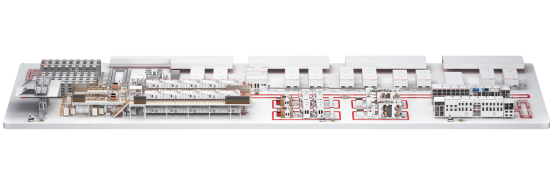
The production of lithium batteries has evolved significantly to meet the demands of various industries, each requiring specific types of batteries. Two primary types of lithium-ion batteries are cylindrical and pouch formats, and understanding their production lines is crucial for manufacturers. This article explores the distinct characteristics of the lithium battery production line for cylindrical and pouch batteries, providing valuable insights into equipment differences.
Cylindrical Lithium-Ion Battery Production Line
The cylindrical lithium-ion battery production line typically employs advanced machinery designed for efficient manufacturing processes. Key components of these lines include automatic winding machines, cutting and tabbing equipment, and cell assembly units. These machines work together seamlessly to ensure high-quality battery production. The standardized shape of cylindrical cells allows for uniformity, simplifying the production process and enhancing scalability for companies focusing on Yinghe’s solutions.
Pouch Lithium-Ion Battery Production Line
In contrast, the pouch lithium ion battery production line presents unique challenges and opportunities. Equipment for this line includes specialized film handling systems, precise stacking mechanisms, and robust sealing devices. The pouch format offers flexibility in design and lightweight characteristics, appealing to markets that prioritize compact energy storage. This production line requires different technical specifications compared to cylindrical setups, making the choice of equipment vital for optimal performance.
Comparing Efficiency and Applications
While the lithium ion battery production lines for cylindrical and pouch forms exhibit different manufacturing processes, each is tailored to meet specific market demands. Cylindrical batteries are often favored in automotive and consumer electronics, thanks to their durability and ease of integration. Alternatively, pouch batteries are increasingly popular in portable devices and electric vehicles, owing to their lightweight and customizable nature. Understanding these differences is essential for manufacturers aiming to invest wisely in their production capabilities through robust systems like those provided by Yinghe.
Conclusion
The choice between a cylindrical and pouch lithium battery production line significantly impacts the design, efficiency, and application of the batteries produced. As industries continue to innovate and expand, the demand for specific battery types grows, highlighting the importance of tailored production lines. Understanding the distinctions in equipment and processes empowers manufacturers to develop the most effective strategies, ensuring they remain competitive in the dynamic battery market.
