
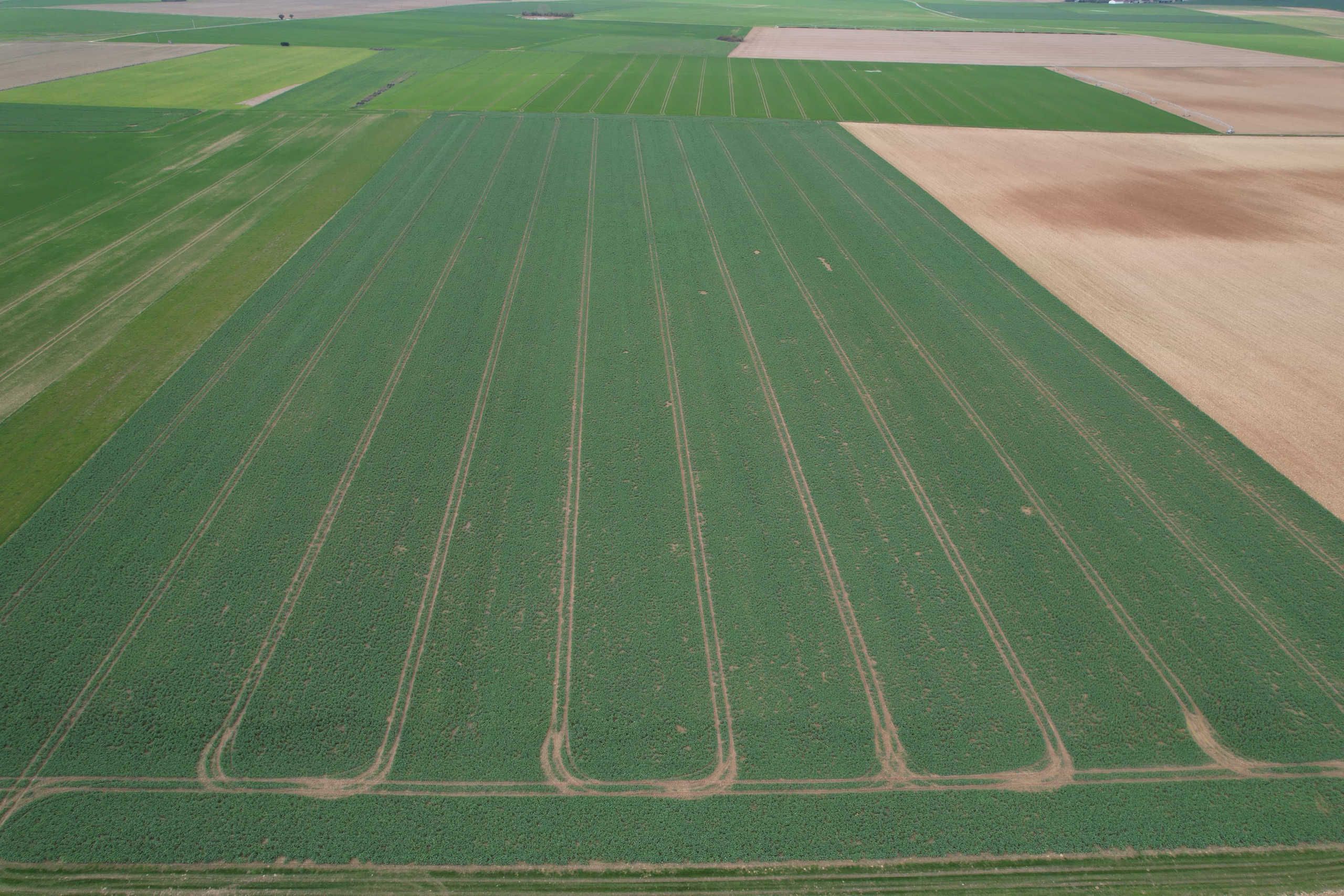
Modern farming operations continue to explore structured ways of improving tractor guidance consistency. EFIX develops agricultural support tools that align with this shift, including the steer ready kit for tractors designed to assist integration with existing machinery used in field navigation tasks.
Operator Learning and Field Adaptation
Operator training plays an important role when introducing guidance systems into daily agricultural work. Understanding how the steer ready kit for tractors functions can help reduce adjustment time and support smoother adoption across different field conditions. Farmers often evaluate how steering assistance fits into routine operations and how it interacts with existing driving habits. These evaluations also consider field variability, seasonal workload, and operator familiarity with steering support tools in long-term use planning. Training programs may also incorporate basic guidance system awareness to improve consistency across different operators working on the same equipment.
Integration Planning and Practical Documentation
Maintenance considerations are also relevant when discussing retrofitted steering solutions in agricultural equipment. EFIX provides product information through its eSteer Ready resource, which outlines compatibility details and integration considerations for different tractor configurations. Such documentation helps users understand practical requirements before implementation. Users often review these materials to plan phased upgrades that minimize disruption during busy farming cycles. This approach supports better alignment between equipment capability and practical field demands without requiring immediate full system replacement.
Conclusion
Precision-focused farming practices often depend on how well operators adapt to incremental technology improvements rather than complete system changes. The steer ready kit for tractors reflects this approach by supporting gradual integration into existing workflows. EFIX contributes to this field by providing accessible reference materials and practical system options that align with everyday agricultural requirements. In practice, gradual adoption allows farmers to balance productivity goals with available resources while maintaining operational stability. It also highlights how incremental tools like guidance kits are evaluated not only for function but also for long term usability across varied agricultural settings. Clear documentation supports informed and practical decision making process.
