
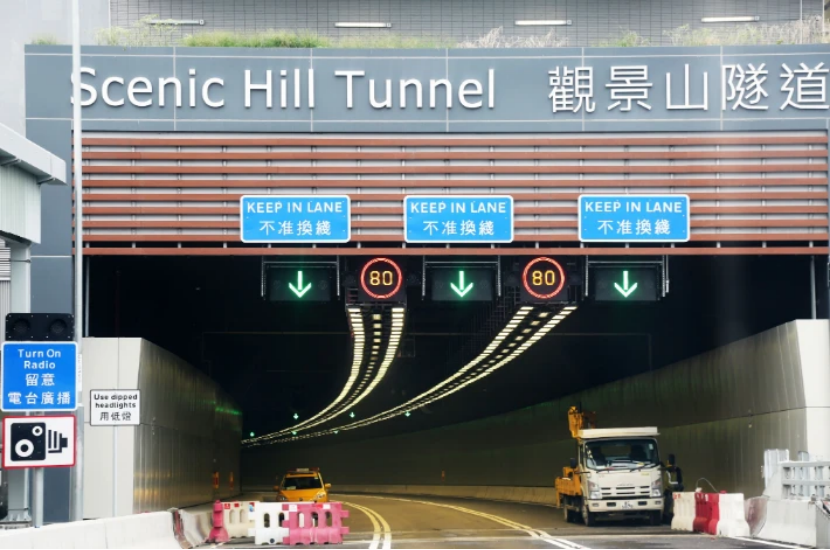
Managing traffic in tunnels presents unique challenges, from limited visibility to sudden congestion. Traffic message boards play an essential role in keeping drivers informed and ensuring smooth traffic flow. By displaying real-time information, alerts, and guidance, these boards help drivers make safe decisions before entering or while traveling through tunnels.
How Motorway VMS Signs Support Drivers
Motorway VMS signs are versatile tools for conveying critical information. They can indicate lane closures, speed limits, incidents, or congestion, allowing drivers to adjust in advance. The clarity of the display ensures that even at high speeds, drivers can quickly read and respond to instructions. Consistent updates reduce confusion and enhance overall safety within tunnel systems.
Real-Time Updates for Dynamic Traffic Conditions
One key advantage of motorway VMS signs is their ability to provide real-time updates. Connected to traffic management systems, these signs receive instant data about tunnel conditions, accidents, or maintenance work. This timely communication helps prevent bottlenecks and reduces the risk of accidents. Drivers are guided with clear messages that reflect the current situation, promoting a steady flow and avoiding sudden stops.
Chainzone VMS Solutions for Tunnels
Chainzone offers advanced VMS signs specifically designed for motorway and tunnel applications. Their products combine high visibility with robust construction suitable for the demanding tunnel environment. With reliable performance and easy integration into traffic management networks, Chainzone VMS signs help operators communicate effectively and maintain safe tunnel operations.
Conclusion
Traffic message boards and motorway VMS signs are essential components for tunnel traffic guidance. They provide clear, real-time information that helps drivers respond appropriately to changing conditions. With solutions from Chainzone, tunnel operators can ensure smoother traffic flow, improved safety, and better communication with motorists. These systems contribute to more predictable travel experiences and support efficient traffic management.
