
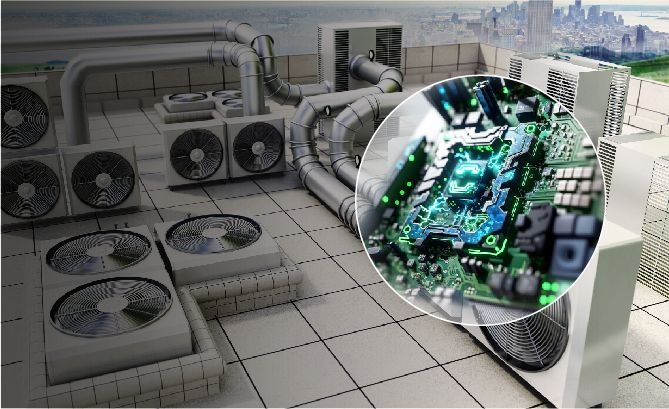
As the global movement toward carbon neutrality accelerates, the efficiency of Heating, Ventilation, and Air Conditioning systems has become a top priority for developers and manufacturers worldwide. The transition from traditional mechanical systems to intelligent, data-driven solutions is no longer a luxury but a fundamental market requirement. For enterprises in the OEM and ODM sectors, the core of this transition lies in the quality of the electronics governing the system. Topband, a global leader in the intelligent control industry, provides specialized HVAC control systems that bridge the gap between high-performance hardware and energy-efficient software logic. By understanding how these systems function, B2B partners can unlock new levels of operational excellence and consumer satisfaction.
Intelligent Inverter Technology Reduces Energy Consumption Significantly
The primary function of a modern controller is to manage power consumption without sacrificing comfort. Unlike traditional fixed-speed units that consume maximum power regardless of the load, Topband integrates high-precision inverter drive technology into its HVAC control systems. This allows the compressor and fan motors to operate at variable speeds, precisely matching the real-time thermal demands of the building. For a commercial partner, this translates into a product that can boast significantly higher energy labels, such as SEER and SCOP ratings, which are critical for market entry in regions like Europe and North America.
Customization Capabilities Enhance Residential HVAC Control Systems
Home environments require a delicate balance of silence, aesthetics, and precise climate regulation. When designing residential HVAC control systems, the brand focuses on modularity and user-centric logic. These systems are engineered to handle multi-zone climate control, allowing different rooms in a household to maintain different temperatures based on occupancy and preference. By offering deep customization options for the Human-Machine Interface (HMI) and firmware, the company enables its B2B clients to launch products that carry a unique brand identity while benefiting from a proven, reliable technical core.
IoT Connectivity Empowers Remote Diagnostics and Maintenance
Connectivity is a transformative feature of the modern intelligent controller. The brand’s strategy ensures that every control board can be equipped with various networking modules, including Wi-Fi, Bluetooth, and Zigbee. This enables residential HVAC control systems to become part of a larger smart home ecosystem, allowing end-users to manage their climate via mobile apps. More importantly for the B2B sector, this connectivity supports remote cloud diagnostics. Manufacturers and service providers can monitor system performance in real-time, identifying potential component failures before they occur, which drastically reduces on-site service costs and enhances long-term reliability.
Global Supply Chain Resilience Minimizes Procurement Risks
For international business partners, the “where” and “how” of manufacturing are just as important as the technology itself. Topband operates a robust global manufacturing network with production bases in China, Vietnam, India, Romania, and Mexico. This geographical diversity is a major benefit for global OEMs who need to mitigate the risks associated with trade barriers or regional logistics disruptions. By partnering with a company that has a truly international footprint, enterprises ensure a stable supply of HVAC control systems that comply with localized safety and environmental regulations, ensuring a smooth path from production to the final consumer market.
Integrated Research and Development Shortens Time to Market
Innovation in the HVAC sector is fast-paced, and being late to market can result in lost opportunities. The company utilizes an Integrated Product Development (IPD) process that fosters close collaboration between its 3,000+ engineers and the client’s design team. This “Agile Innovation” approach means that complex technical challenges—such as electromagnetic compatibility (EMC) or complex thermal management—are addressed early in the design phase. For a B2B partner, this efficiency reduces the cost of R&D and ensures that new generations of residential HVAC control systems reach the market faster than those of competitors who rely on fragmented supply chains.
Sustainable Manufacturing Aligns with Corporate ESG Goals
Corporate Social Responsibility is now a key factor in selecting manufacturing partners. The brand’s commitment to “Green and Intelligent” manufacturing ensures that every step of the production process—from lead-free soldering to energy-efficient factory lighting—is optimized for environmental sustainability. For global enterprises with strict ESG (Environmental, Social, and Governance) targets, sourcing HVAC control systems from a transparent and responsible supplier is a strategic advantage. It ensures that the final product is not only efficient in its operation but also produced through an ethical and eco-friendly supply chain.
Conclusion: Securing a Competitive Edge Through Intelligent Control
The question of how to optimize HVAC performance leads directly to the quality of the underlying control technology. Topband has demonstrated that by combining technical innovation with global manufacturing scale, it can provide the essential intelligence needed for modern climate control. Whether through reducing energy waste with inverter drives or enhancing the user experience in residential HVAC control systems, the company remains a cornerstone of the global intelligent control market.
Ultimately, the success of an HVAC product line depends on its reliability, efficiency, and smart capabilities. By aligning with a strategic partner that understands the nuances of the B2B sector, manufacturers can focus on their brand’s growth while leaving the complexities of intelligent control to the experts. In the evolving world of green technology, the right controller is the most significant investment a company can make toward a sustainable and profitable future.
