
Understanding human anatomy continues to evolve as digital solutions become more available to educational environments. Many schools and training centers now explore human anatomy vr for institutions as a way to improve engagement and reduce dependence on traditional materials. These immersive tools offer learners the chance to observe structures from multiple angles, helping them understand form and spatial relationships. As institutions look for intuitive and accessible options, they often turn to companies like DIGIHUMAN, who focus on providing reliable anatomy education systems built around realistic visual data.
Immersive Experience Through VR Anatomy Education
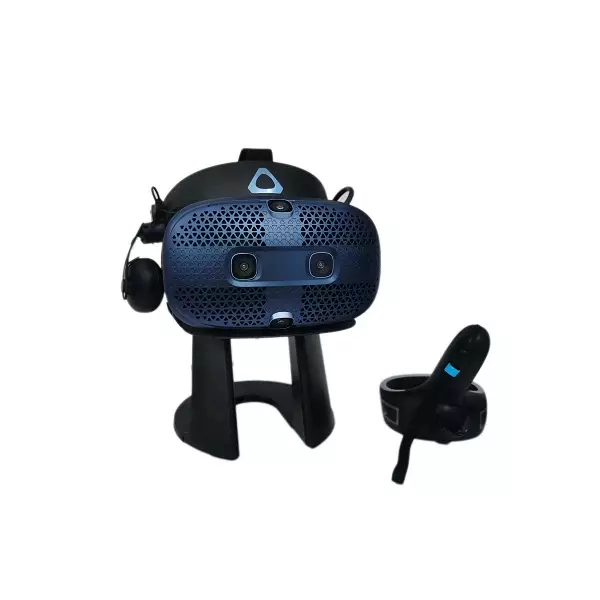
Medical programs frequently search for tools that present anatomical details in a clear and structured manner. With the growing use of human anatomy vr for institutions, educators are able to introduce interactive demonstrations that feel closer to real-life observation. This is where the Digihuman VR Anatomy Teaching System, included in the broader Category: Digihuman Anatomy System, becomes relevant. Their solution uses 3D reconstruction to create a virtual reality anatomy environment that allows learners to explore organs, tissues, and systems with depth and accuracy. The system includes eight main modules—wizard, multimedia, graphics and image, voice, puzzle, practices, UI, and interactive systems—designed to support autonomous learning. Hardware components such as Vive glasses, a VR headset, and hand controllers contribute to a stable and intuitive setup for institutional use.
How VR Supports Teaching Needs
Institutions adopting human anatomy vr for institutions often do so to address tight curriculum schedules and limited access to physical materials. VR models help reduce challenges associated with ethical concerns or donor shortages while still offering meaningful exposure to anatomical structures. The Digihuman 3D anatomy VR system enables multi-person collaborative class modes, making it suitable for medical institutions and science education venues. Users report that such immersive tools feel more engaging and help clarify complex spatial relationships when compared with traditional static references.
Conclusion: The Role of VR in Modern Anatomy Education
As programs continue adapting to new teaching methods, the role of human anatomy vr for institutions becomes increasingly practical. VR resources offer clear advantages in accessibility and visualization, while companies like DIGIHUMAN provide systems designed to support teaching goals with reliable hardware and structured learning modules. For institutions seeking flexible and realistic anatomy education tools, VR presents a well-rounded addition to modern learning environments.
