
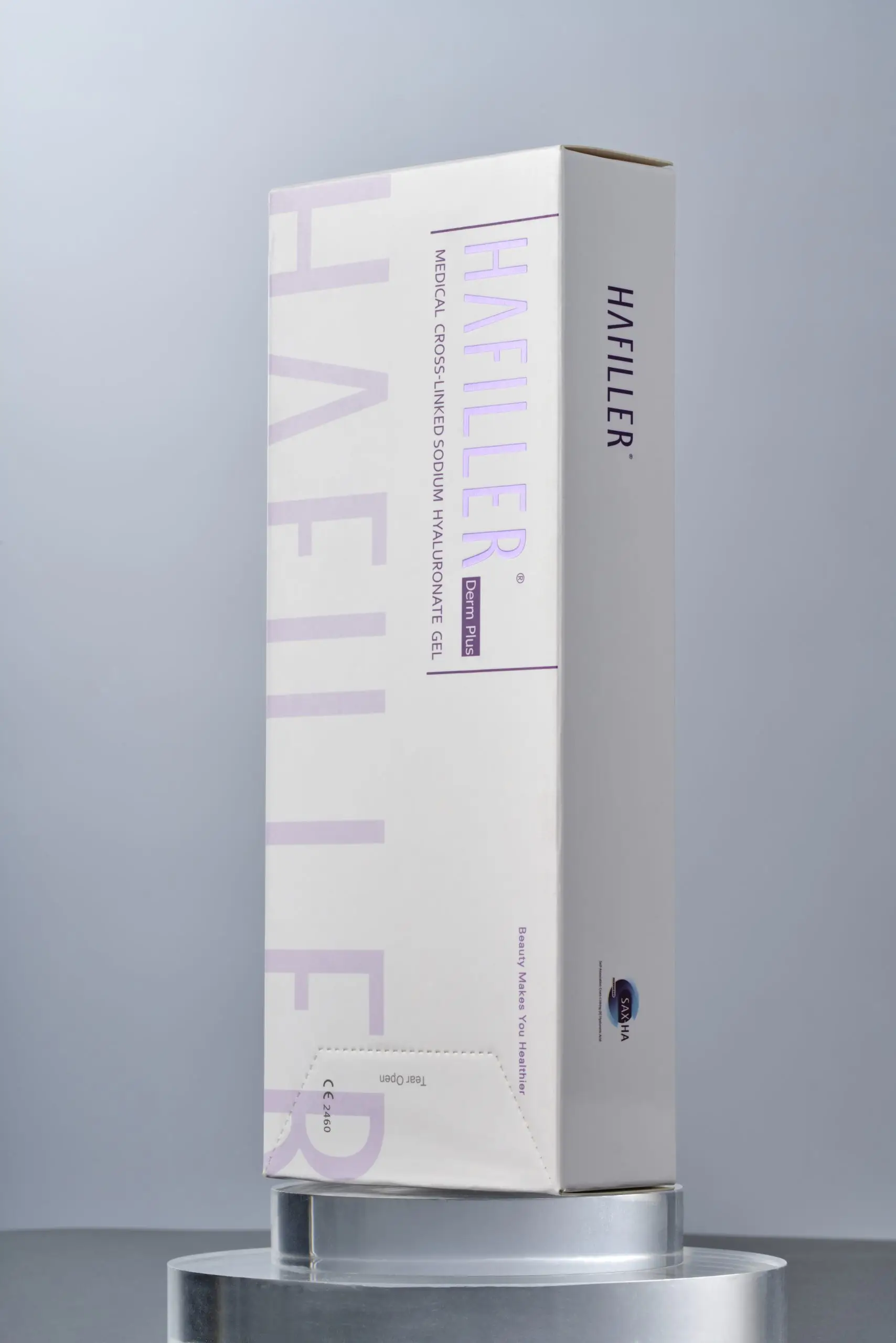
Clinical practitioners seeking to expand their treatment portfolios often evaluate various methodologies. The use of breast filler injections represents a distinct category within aesthetic medicine, requiring specific knowledge and technical skill. This article examines relevant procedural aspects that inform professional practice, focusing on the collaboration between clinicians and product manufacturers.
Procedural Dynamics and Patient Selection Criteria
The application of breast filler injections is a specialized technique distinct from other dermal filler procedures. Its efficacy is closely tied to rigorous patient assessment, considering anatomical suitability and expected outcome profiles. A partnership with a scientifically-focused brand like HAFILLER ensures access to products designed with these specific procedural requirements in mind, supporting consistent clinical execution.
Material Science and Biocompatibility Profiles
The foundation of any injectable procedure rests on the properties of the implantable material. For breast filler injections, the hydrogel’s cohesivity, elasticity, and degradation timeline are critical factors. Suppliers such as Jingjia Medical, through the HAFILLER brand, concentrate on these material characteristics, aiming to provide gels with defined performance parameters that align with tissue integration and longevity goals.
Professional Collaboration and Technical Support
Implementing this modality extends beyond the product itself. A constructive relationship with a manufacturer includes access to detailed application protocols, complication management guidelines, and ongoing clinical education. This support framework is vital for maintaining procedural standards and patient safety, forming an integral part of the professional service ecosystem.
The integration of injectable fillers for breast augmentation is a significant clinical decision. It involves a thorough understanding of technique, material science, and a committed partnership with a dedicated manufacturer. By prioritizing these elements, practices can address patient requests with an informed approach grounded in procedural integrity and product reliability.
